

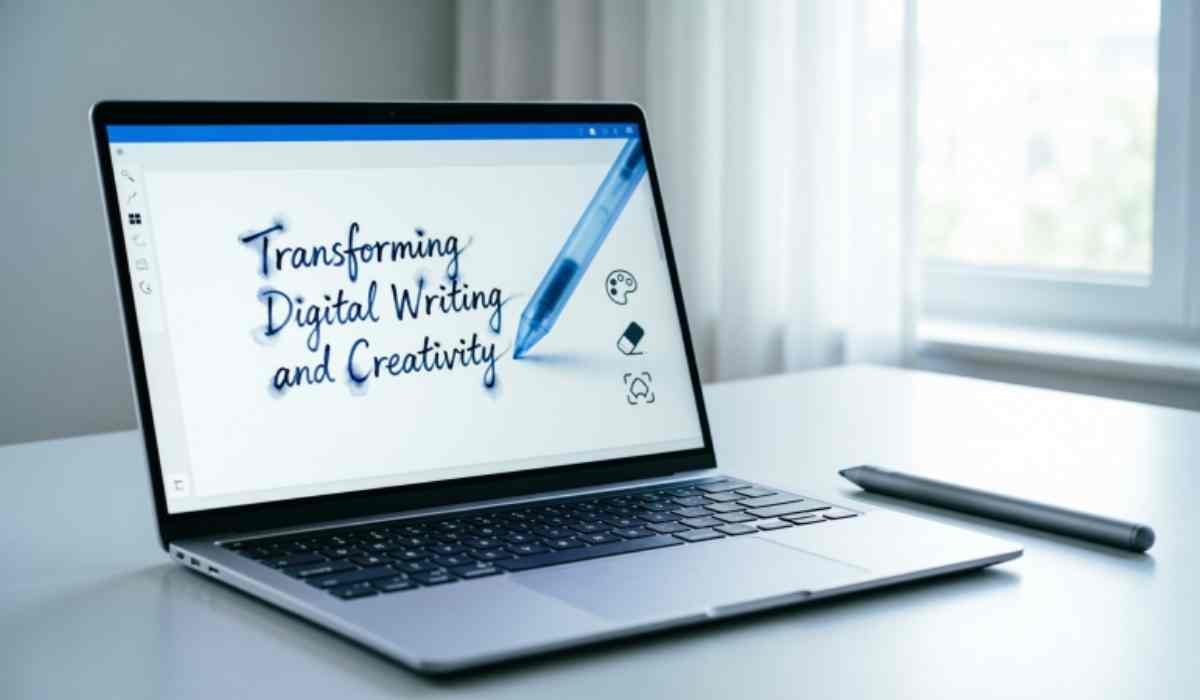
Microsoft Ink is changing how people write, draw, and create on Windows devices. Whether you’re a student, artist, or professional, this tool makes your stylus feel natural and responsive. It brings handwriting into the digital age without losing that personal touch we all love about putting pen to paper.
With Windows Ink workspace built right into Windows 10, creativity is always one tap away. From sketching ideas to signing documents, Microsoft Ink fits into everyday tasks smoothly. It’s not a gimmick. It’s a real productivity shift that millions of users around the world have quietly adopted into their daily routines.
What Is Microsoft Ink
Microsoft Ink is a built-in Windows 10 feature that turns your stylus or finger into a digital pen. It lets you write, draw, and annotate directly on screen.
Think of it as your paper notebook, but smarter. It remembers everything, syncs across devices, and works with apps you already use every day.
| Feature | Description |
|---|---|
| Platform | Windows 10 and above |
| Input Type | Stylus, touch, mouse |
| Core Use | Writing, drawing, annotation |
| Integration | Built into Windows OS |
- Digital ink technology powers the experience under the hood
- Works without internet once set up
- Supports both left and right-handed users
- Available on Surface and third-party tablets
Read More: How Did Barry Wood Die, Cause of Death Explained
Key Features of Microsoft Ink
Microsoft Ink features cover everything from quick sketches to full document annotation. The toolset is surprisingly complete for something built right into the OS.
You get sticky notes, a sketchpad, and screen sketch tools out of the box. Microsoft Ink tools feel intuitive fast, even if you’ve never used a stylus before.
| Tool | What It Does |
|---|---|
| Sticky Notes | Quick reminders with handwriting support |
| Sketchpad | Blank canvas for freehand drawing |
| Screen Sketch | Annotate anything on your screen |
| Ruler | Draw straight lines precisely |
- Pressure sensitive stylus drawing for natural line variation
- Eraser tool that mimics a real eraser
- Color and thickness controls
- Works across Microsoft Office apps
How Microsoft Ink Works on Windows 10
How Microsoft Ink works is simple. Windows 10 detects your pen input and routes it through the Ink framework, giving apps access to pressure, angle, and speed data.
When you press your stylus to the screen, Windows reads hundreds of data points per second. That’s what makes digital ink technology feel so real and responsive.
- Pen data is processed at low latency
- Apps request ink permission through Windows APIs
- Stylus input Windows devices handle palm rejection automatically
- Works even in older Windows 10 builds
Benefits of Using Microsoft Ink
The biggest benefit is speed. Write on screen Windows style means no more typing notes you’d rather sketch, no more switching between tools mid-thought.
It also helps people who think visually. Digital handwriting Windows support means your brain-to-screen connection is as direct as it gets, with zero friction.
| Benefit | Who It Helps Most |
|---|---|
| Speed | Students, journalists |
| Creativity | Artists, designers |
| Annotation | Business professionals |
| Accessibility | Users with motor differences |
- Reduces reliance on keyboard for certain tasks
- Improves focus during note-taking sessions
- Encourages creative note taking tools usage
- Saves time when reviewing documents
Writing and Drawing with a Stylus
Draw on Windows tablet screens feels surprisingly close to real paper. The latency is low, the pressure response is accurate, and the palm rejection actually works.
Pressure sensitive stylus drawing means thin strokes for light touches and bold lines when you press harder. Artists especially love this for shading and detailing work.
- Tilt support on compatible styluses
- Sketch ideas on tablet with unlimited canvas space
- Switch between pen, pencil, and highlighter modes
- Undo and redo with simple gestures
Best Apps That Support Microsoft Ink
Best apps for Microsoft Ink include OneNote, Adobe Fresco, Concepts, and Sketchable. These are built with ink in mind and feel completely different from mouse-based apps.
Even Microsoft Edge lets you annotate documents Windows style directly in the browser. Digital sketching software has never been more accessible on a Windows machine.
| App | Best For |
|---|---|
| OneNote | Note-taking and organization |
| Adobe Fresco | Professional illustration |
| Concepts | Flexible sketching and design |
| Microsoft Edge | Web annotation |
- Annotate PowerPoint with Ink during live presentations
- Whiteboard app for team sessions
- Nebo for handwriting-to-text conversion
- GoodNotes alternative apps on Windows
Using Microsoft Ink for Note Taking
Digital note taking Windows style means your handwritten notes are searchable. OneNote can read your handwriting and find words even if they’re messy.
Creative note taking tools like Ink make studying more engaging. You can mix typed text, drawings, and handwritten notes all in one place without switching apps.
- Tag notes by topic or class
- Handwriting recognition Windows converts script to typed text
- Record audio while writing for full context
- Sync automatically to OneDrive
Microsoft Ink for Collaboration and Whiteboards
Digital whiteboard collaboration is one of the strongest use cases for Microsoft Ink. Microsoft Whiteboard lets entire teams sketch, annotate, and brainstorm together in real time.
Virtual brainstorming tools built on Ink support sticky notes, freehand drawing, and text. Remote teams use it during meetings to map out ideas the way they would in person.
- Infinite canvas for big-picture planning
- Real-time co-editing with teammates
- Visual collaboration tools export to image or PDF
- Works on Surface Hub for conference rooms
Microsoft Ink in Education and Learning
Digital ink for students makes a real difference in classrooms. Teachers can annotate lessons live, and students can take handwritten notes on tablet without printing anything.
Interactive digital learning tools powered by Ink help visual learners absorb material faster. It bridges the gap between traditional classroom habits and modern digital tools students actually enjoy using.
- Draw diagrams directly in study notes
- Teachers share annotated slides instantly
- Digital note taking Windows reduces paper waste
- Works with accessibility features for students with disabilities
How to Enable Microsoft Ink Workspace
Enable Windows Ink workspace by right-clicking your taskbar and selecting “Show Windows Ink Workspace button.” That’s it. One click and you’re set up.
From there, Windows Ink settings let you customize which tools appear and how your pen behaves. Pen input Windows devices can also be fine-tuned in the Bluetooth and devices settings panel.
| Step | Action |
|---|---|
| Step 1 | Right-click the taskbar |
| Step 2 | Enable Ink Workspace button |
| Step 3 | Click the pen icon in system tray |
| Step 4 | Choose your preferred Ink tool |
- Adjust pen pressure in settings
- Set a shortcut button on your stylus
- How to use Microsoft Ink guides are built into the app
- Works immediately with no restart needed
Conclusion
Microsoft Ink is one of those features that quietly earns its place in your workflow. It doesn’t demand attention. It just works, adapting to how you think and create. For anyone with a stylus and a Windows 10 device, ignoring it means leaving a genuinely useful tool completely untouched.
Whether you’re annotating a report, sketching a quick idea, or collaborating on a digital whiteboard, Windows Ink workspace brings real value. It’s practical, personal, and far more capable than most people realize. If you haven’t explored it yet, now is a great time to start.
